



You wouldn't expect magic from mundane beginnings, but the Alfa Romeo GTV proved that even the humblest Fiat platform could birth something special. Based on the decidedly unsexy Tipo hatchback, this coupe became one of the most distinctive sports cars of the '90s — and now represents brilliant value for South African enthusiasts.
The story starts with controversy. Here was Alfa Romeo, maker of legendary rear-wheel-drive coupes, about to build a front-wheel-drive sports car on a Fiat shopping trolley platform. Purists were horrified. They needn't have worried.
Engineering Excellence from Unexpected Places
Giancarlo Travaglio, Alfa's chassis guru, had bigger plans than anyone realised. He benchmarked the brilliant Honda Civic VTi and the front-drive Lotus Elan, then set about creating suspension wizardry that would make the GTV handle like a proper Alfa.
The key breakthrough came when Fiat's CEO Paolo Cantarella decided the original chassis wasn't good enough. Out went the basic rear suspension, replaced by a sophisticated multi-link system mounted to a super-stiff alloy subframe. This wasn't just parts-bin engineering — it was clever rear-wheel steering that would counter-steer at low speeds and follow the fronts at high velocity.
The result? A front-drive coupe that could lift-off mid-corner and tighten its line, banishing understeer in ways that surprised everyone who drove it. Not quite as playful as a Mazda MX-5 in the wet, perhaps, but far more composed and confidence-inspiring on our sometimes challenging South African roads.
Heart and Soul: The Twin Spark Engine
Under that dramatic clamshell bonnet sat Alfa's new Twin Spark engine — a completely fresh design with eight spark plugs total, twin cams with variable inlet timing, and balancer shafts for smoothness. The 2.0-litre version produced 110kW and 190Nm, but more importantly, it sang all the way to 7000rpm with proper Italian passion.
Later versions got Alfa's glorious 3.0-litre V6 with even more character, though the four-cylinder remains the sweet spot for running costs — something South African buyers always appreciate given our fuel prices.
That composite bonnet wasn't just for show, either. Those tiny round headlights were actually covers for larger rectangular units underneath — a clever design touch that aged remarkably well.
Style That Still Turns Heads
Enrico Fumia's design was genuinely revolutionary in 1995. That deep character line slashing through doors and wings, looping around the rear window, created drama without resorting to boy-racer clichés. Even today, a clean GTV stops traffic in ways that many modern coupes simply can't match.
The interior was typically Italian — beautiful to look at, occasionally frustrating to live with. Those rear seats were more luggage space than people space, and the boot was frankly tiny. But you bought a GTV for the experience, not the practicality.
South African Reality Check
Here's where things get interesting for local buyers. Clean GTVs are becoming genuinely collectible in Europe, but South Africa still offers reasonable examples. You'll want to budget carefully for maintenance — these are complex Italian machines that reward proper care and punish neglect.
The good news? Parts availability isn't terrible thanks to shared components with other Fiat group products, and there's a small but dedicated community of Alfa specialists who understand these cars.
Expect to pay anywhere from R80,000 for a project to R200,000 for something genuinely nice. That's serious money for a 30-year-old Italian car, but also represents the last chance to own one of the more successful front-drive sports coupes ever built.
The GTV proved that great engineering can transform humble beginnings into something genuinely special. For South African enthusiasts seeking Italian flair without Ferrari prices, it remains a compelling proposition — just make sure you've got a good specialist on speed dial.
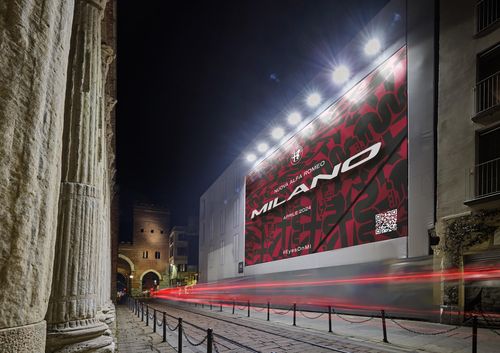
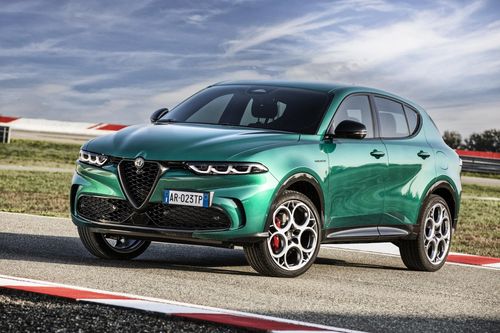
Also worth a look: the Alfa Romeo Milano: A Glimpse into the Brand's Electrified Fu and the Alfa Romeo Tonale.
FAQ
Q: What does the Alfa Romeo GTV cost in South Africa?
You can find decent Alfa Romeo GTV examples from around R85,000 for higher-mileage 2.0 Twin Spark models, while pristine V6 versions with low kilometres can fetch R180,000 or more depending on condition and maintenance history.
Q: Is the Alfa Romeo GTV reliable for daily driving?
The GTV is reasonably reliable if you buy one with proper service history and budget R15,000 to R25,000 annually for maintenance, as Italian electrics and timing belt changes can be expensive but the Twin Spark engine is generally solid when looked after.
Q: Which Alfa Romeo GTV engine is better, the 2.0 Twin Spark or V6?
The 2.0 Twin Spark offers 110kW and revs to 7000rpm with lower running costs, while the 3.0 V6 delivers more power and that glorious Alfa soundtrack but drinks more fuel and costs significantly more to maintain.
Q: What should I check when buying an Alfa Romeo GTV?
Check for rust around wheel arches and door seals, ensure the timing belt has been changed every 60,000km or four years, test all electrical systems including air conditioning, and verify the sophisticated rear suspension hasn't been damaged by our potholed roads.
Q: How does the Alfa Romeo GTV compare to other 1990s sports cars?
The GTV offers more distinctive Italian styling than a Honda Prelude, better handling than most front-wheel-drive coupes thanks to its clever suspension, but requires more maintenance commitment than Japanese alternatives like the Mazda MX-6.
Should You Buy It?
Yes, if you want an affordable Italian sports car with genuine character. The best Alfa Romeo GTV under R120,000 in South Africa is a well-maintained 2.0 Twin Spark with full service history, offering dramatic looks, sweet handling, and that unmistakable Alfa engine note without the V6's maintenance costs. Just budget properly for upkeep and buy the best example you can afford, because a cheap GTV will cost you far more in the long run than paying extra for one that's been properly loved.